Alaska Steamship Co.
Cruising to Alaska has a long history that all started with a single ship, the Willapa.
In 1894, thanks to the growth of Alaska's fishing and cannery business, the Alaska Steamship Company (ASC) was born. Charles Peabody, Capt. George Roberts, Capt. Melville Nichols, George Lent, Frank Burns and Walter Oakes formed the company that would eventually enjoy a near monopoly of freight and passenger service to Alaska.
The group's timing was impeccable. Just three years later, Alaska, then an organized territory, began reaping the economic benefits of the Yukon gold rush after gold was discovered along the Klondike River near Dawson City, Canada.
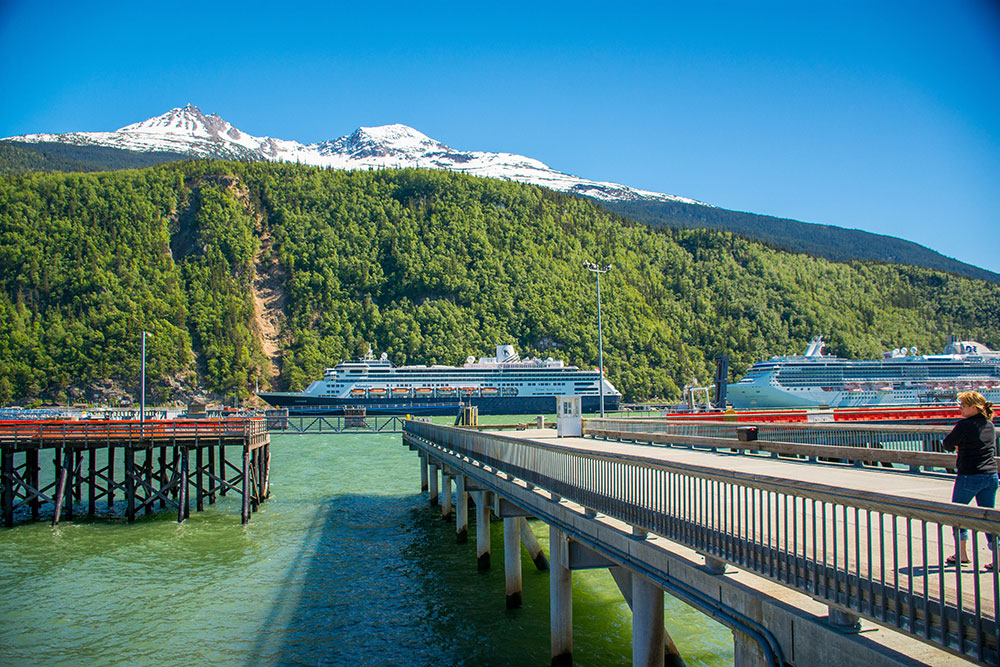
ASC initially ran service between Skagway and Seattle. A second company, the Northwest Steamship Co., serviced Valdez, Cook Inlet and the Bering Sea ports. The Alaska Syndicate, with funds from J.P. Morgan and the Guggenheim Co., bought both companies in 1909 and retained the ASC name, increasing the fleet to 18 ships and expanding service to ports from Ketchikan to Kotzebue.
The ships primarily hauled fish and minerals until the late 1930s, when many of the mines closed and fishing became a seasonal operation.
ASC never quite recovered.
The company's 15 vessels were taken over by the federal government in 1942 to augment the war effort. In 1953, the company expanded into container service, but due to high fuel and insurance costs, increased competition and union demands, the company was forced to shut down. It officially ceased operations in January 1971.
Capital investment
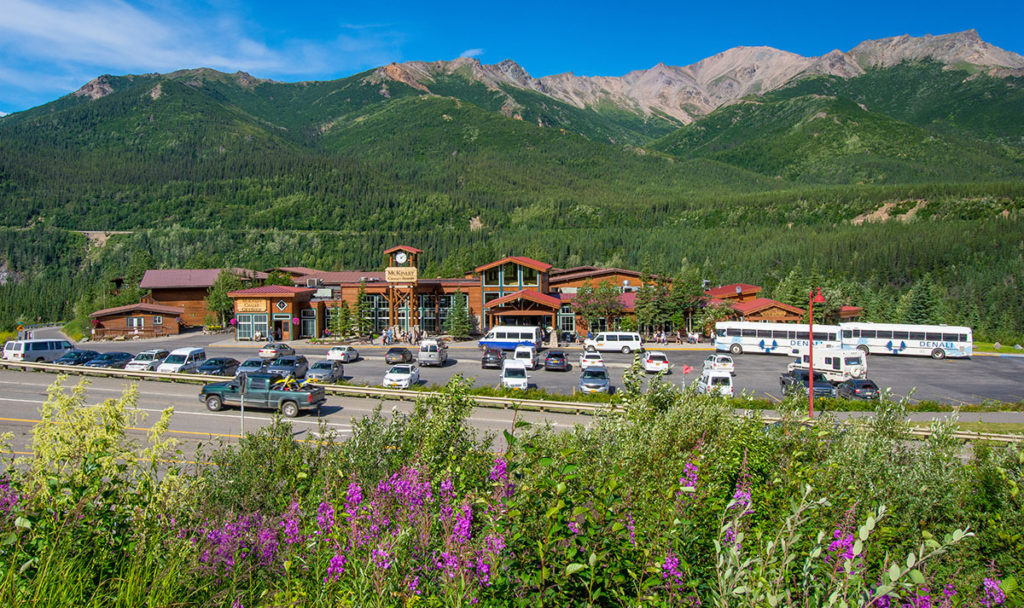
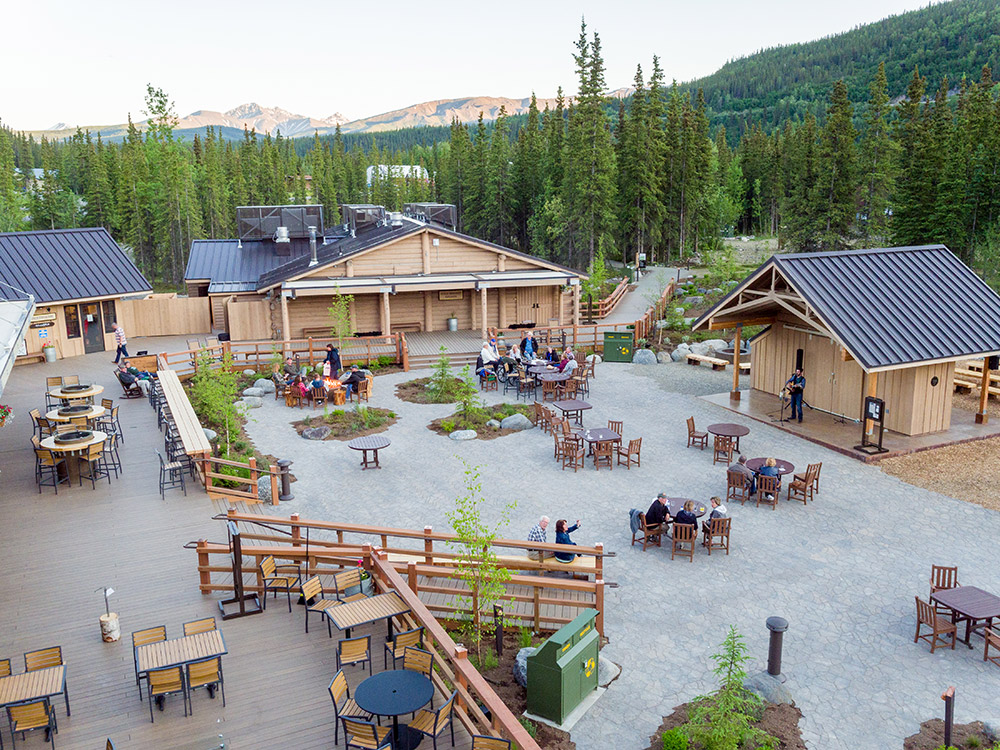
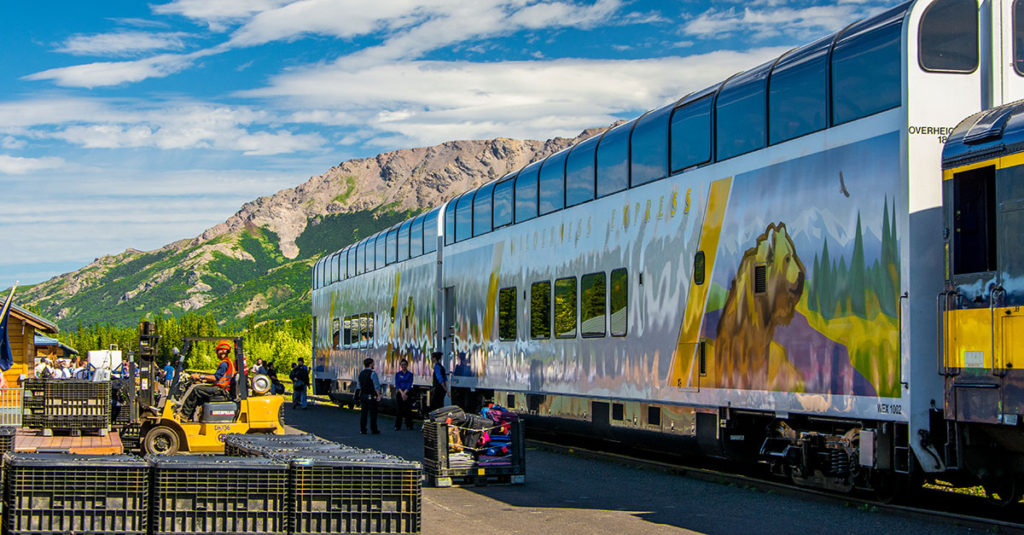
The cruise industry has invested in a significant amount of property and facilities throughout Alaska, including hotels/lodges, rail cars, motor coaches, offices and maintenance shops. Many of the hotels are open year-round, including the Fairbanks Princess Riverside Lodge.
Alaska ranks fifth in the U.S. in cruise industry expenditures. The cruise industry has made a significant capital investment in property and facilities throughout the state, including hotels/lodges, rail cars, motor coaches, offices and maintenance facilities, with continued investment each year in construction, equipment and infrastructure improvements. Direct cruise industry spending in 2010 alone was $930 million.
One line operates six hotels throughout the state with a combined 1,201 rooms. All but the two smallest properties are open year-round to serve cruise and non-cruise travelers, along with local residents. A second line owns four seasonal wilderness lodges and one year-round hotel, with a combined room capacity of 1,617. The hundreds of jobs created by these properties put this company among the state’s top five employers in the leisure and hospitality field. These two companies alone are responsible for peak summer season employment of 3,600 jobs in Alaska, a state with a population of approximately 700,000.